
Catholic Pilgrimage Destinations: The Guide to the World’s Most Sacred Sites
For centuries, devout believers have embarked on sacred journeys to deepen their faith, seek divine intervention, and walk the hallowed grounds where heaven meets earth. Catholic pilgrimage destinations represent more than mere travel; they are transformative spiritual exercises that connect modern believers with centuries of lived faith, apostolic tradition, and miraculous interventions. Whether you are seeking the profound silence of a Marian apparition site, the historical weight of the Holy Land, or the rigorous physical challenge of an ancient walking trail, going on a pilgrimage is an answering of a divine call.
In this comprehensive guide, we explore the world’s most revered Catholic pilgrimage destinations. We provide practical travel data, spiritual insights, and expert planning strategies to help you execute a flawless, soul-enriching journey that honors ancient traditions while navigating modern travel realities.
Quick Overview: Key Catholic Pilgrimage Sites at a Glance
For pilgrims and faith-based travelers planning their next spiritual journey, this quick-reference summary outlines the core characteristics, annual visitor numbers, and primary spiritual focuses of the world’s premier Catholic holy sites.
-
The Holy Land (Israel/Palestine): The ultimate cradle of Christianity. Pilgrims walk the literal footsteps of Jesus Christ, from His birth in Bethlehem to His crucifixion and resurrection in Jerusalem.
-
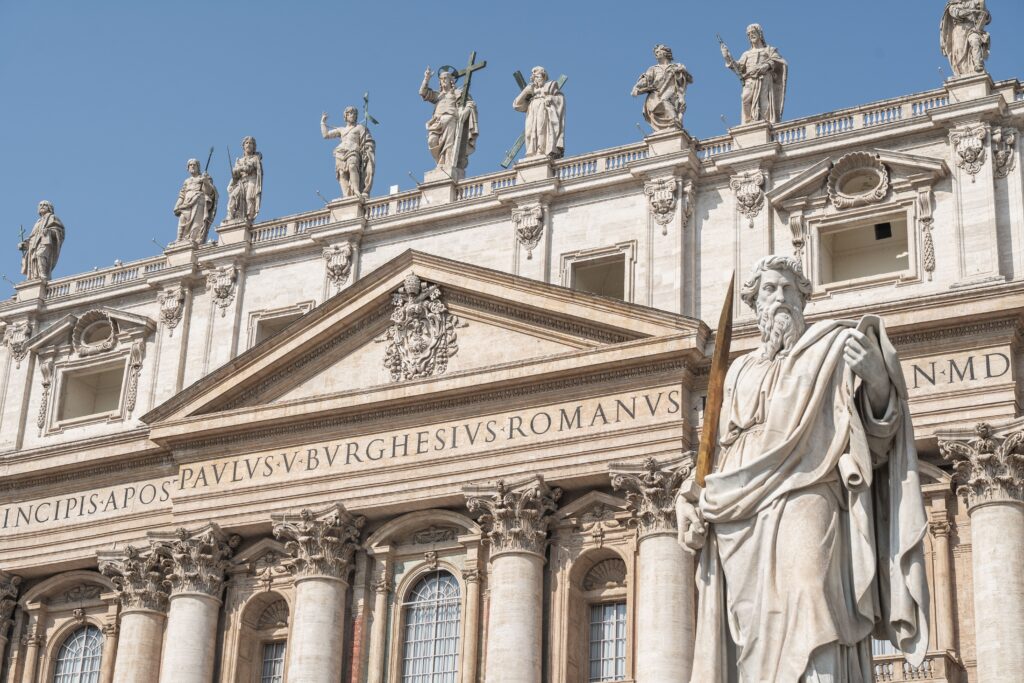
Vatican City & Rome (Italy): The heart of the universal Catholic Church. Home to the papacy, the tombs of Saints Peter and Paul, and millennia of sacred art and ecclesiastical history.
-
Sanctuary of Our Lady of Lourdes (France): A global epicenter of miraculous physical and spiritual healing centered around the Grotto of Massabielle, where the Virgin Mary appeared to St. Bernadette.
-
Sanctuary of Our Lady of Fátima (Portugal): Famous for the prophetic secrets revealed by the Blessed Mother to three shepherd children and the historic “Miracle of the Sun.”
-
The Camino de Santiago (Spain): An ancient network of walking trails culminating at the Cathedral of Santiago de Compostela, burial site of St. James the Greater.
-
Basilica of Our Lady of Guadalupe (Mexico): The most visited Catholic shrine in the world, housing the miraculous, divinely imprinted tilma of St. Juan Diego.
-
San Giovanni Rotondo (Italy): The sacred sanctuary dedicated to the life, ministry, and incorrupt body of the stigmatic capuchin friar, St. Padre Pio.
1. The Holy Land: Walking in the Footsteps of Jesus Christ
No list of Catholic pilgrimage destinations carries more spiritual weight than the Holy Land. To walk through these ancient landscapes is to transition from reading the Scriptures to stepping directly into them. It changes how a believer reads the Bible forever, turning black-and-white text into living color.
Key Sacred Sites Within the Holy Land
The Church of the Holy Sepulchre (Jerusalem)
Recognized by centuries of tradition as the exact location of both Calvary (Golgotha), where Jesus was crucified, and the empty tomb where He rose from the dead. Pilgrims can touch the rock of Calvary and step inside the Edicule, the small shrine enclosing the tomb.
The Basilica of the Nativity (Bethlehem)
Commissioned by Constantine the Great in the 4th century, this basilica stands over the Grotto of the Nativity, the precise birthplace of Jesus Christ. The spot is marked by a 14-pointed silver star embedded in the marble floor.
The Sea of Galilee and the Mount of Beatitudes
The scenic northern region where Jesus spent the vast majority of His public ministry. Key stops include Capernaum (Jesus’ ministry base), Peter’s Primacy (where Christ reinstated Peter), and the hillside where the Sermon on the Mount was delivered.
Nazareth and the Basilica of the Annunciation
The town where Jesus grew up and where the Angel Gabriel appeared to Mary. The modern basilica is built directly over the Sunken Grotto, the structural remains of Mary’s childhood home where the Incarnation began.
Practical Information for Holy Land Pilgrims
+----------------------------+---------------------------------------------------+
| Metric / Aspect             | Details and Operational Requirements              |
+-----------------------------+---------------------------------------------------+
| Estimated Annual Pilgrims   | 3.5 to 4.5 million visitors per year              |
+-----------------------------+---------------------------------------------------+
| Primary Entry Requirements  | Valid passport (minimum 6 months validity);       |
|                             | Tourist visas granted on arrival for most nations |
+---------------------------- +---------------------------------------------------+
| Best Times to Visit         | March to May (Spring) and Sept to Nov (Autumn)    |
+-----------------------------+---------------------------------------------------+
| Essential Currency          | Israeli New Shekel (ILS) / US Dollars widely accepted|
+-----------------------------+---------------------------------------------------+
| Primary Languages Spoken    | Hebrew, Arabic, English, Italian, Spanish         |
+-----------------------------+---------------------------------------------------+
Essential Pilgrim Services & Logistics
The Holy Land is highly developed for faith tourism. The Christian Information Centre (CIC) located near the Jaffa Gate in Jerusalem assists pilgrims with booking private Masses at major shrines like the Holy Sepulchre.
Religious congregations, such as the Franciscan Custody of the Holy Land, run specialized pilgrim guesthouses known as Casa Nova. These lodges provide safe, hospitable, and spiritually grounded accommodations right next to the holy sites.
2. Vatican City and Rome: The Heart of the Universal Church
Rome is known as the Eternal City, but for Catholics, it is the center of apostolic authority and structural unity. Built upon the blood of the early Christian martyrs, Rome allows pilgrims to connect directly with the historic continuity of the Catholic Church.
Key Sacred Sites Within Rome
St. Peter’s Basilica
Built directly over the historical burial site of St. Peter the Apostle, the first Pope. Beneath the high altar lies the Vatican Necropolis, where pilgrims can book specialized “Scavi Tours” to view Peter’s bones. The basilica also houses Michelangelo’s iconic Pietà and the monumental bronze Baldacchino designed by Bernini.
The Four Major Papal Basilicas
Beyond St. Peter’s, every pilgrim must visit the other three major basilicas:
-
Archbasilica of St. John Lateran: The official cathedral church of the Pope and the mother church of all Catholic churches worldwide.
-
Basilica of St. Mary Major: The largest and oldest church in Rome dedicated to the Blessed Virgin Mary, housing a relic of Christ’s holy manger.
-
Basilica of St. Paul Outside the Walls: Built over the burial site of St. Paul the Apostle, featuring portraits of every Pope throughout history.
The Scala Sancta (The Holy Stairs)
According to tradition, these are the white marble steps that Jesus ascended to face Pontius Pilate in Jerusalem, brought to Rome by St. Helena in the 4th century. Pilgrims ascend these 28 stairs strictly on their knees as an act of deep penance and meditation on the Passion of Christ.
The Catacombs of Rome
The underground burial networks, such as the Catacombs of St. Callixtus and St. Sebastian, where early Christians buried their dead and gathered secretly during times of intense Roman persecution.
Practical Information for Rome & Vatican Pilgrims
-
Estimated Annual Pilgrims: 25 to 30 million (surging up to 35+ million during official Church Jubilee Years).
-
Entry Requirements: Schengen Visa regulations apply for non-EU travelers. St. Peter’s Basilica is free to enter, but strict security lines require arriving early in the morning.
-
Dress Code Enforcement: Modest dress is strictly required for entry into all Roman churches. Knees and shoulders must be completely covered for both men and women. No exceptions are made.
-
Papal Audiences: Held on Wednesday mornings when the Pope is in Rome. Tickets are completely free but must be requested months in advance through the Prefecture of the Pontifical Household.
3. The Sanctuary of Our Lady of Lourdes: A Place of Healing and Hope
Nestled in the foothills of the Pyrenees mountains in southwestern France lies Lourdes, arguably the most spiritually tender of all Catholic pilgrimage destinations. In 1858, the Virgin Mary appeared 18 times to a poor, uneducated 14-year-old girl named Bernadette Soubirous, revealing herself as the “Immaculate Conception.”
The Miraculous Spring and the Healing Baths
During one of the apparitions, Mary told Bernadette to dig in the dirt and drink from the mud. A spring broke forth that continues to flow uninterrupted today, producing thousands of gallons of water daily.
Pilgrims line up for hours at the Piscines (the Baths) to be submerged in this cold spring water, praying for physical, emotional, and psychological healing.
The Reality of Miracles at Lourdes: While millions seek physical restoration, the Church maintains a highly rigorous scientific process to evaluate claims of healing. The Lourdes International Medical Committee (CMIL), comprised of independent doctors and scientists, has thoroughly investigated thousands of cases. To date, only 70 healings have been officially recognized by the Catholic Church as scientifically inexplicable, miraculous cures.
Essential Pilgrim Services & Rituals at Lourdes
The Daily Candlelight Procession
Every single evening at 9:00 PM, thousands of pilgrims march through the sanctuary grounds carrying candles protected by paper shades, singing the Lourdes Ave Maria while reciting the Rosary. It is an unforgettable display of universal faith.
The Hospitalité Notre-Dame de Lourdes
A massive, dedicated volunteer organization that assists the thousands of sick, disabled, and elderly pilgrims (les malades) who arrive on specialized medical trains each week. They provide wheelchair transport, medical monitoring, and compassionate assistance at the baths.
+-----------------------------------+--------------------------------------------+
| Metric / Aspect              | Details and Operational Requirements             |
+------------------------------+--------------------------------------------------+
| Estimated Annual Pilgrims    | Approximately 5 to 6 million visitors annually   |
| Cost Considerations          | Sanctuary admission is free. Tap water is free.  |
|                              | Budget for hotels, candles, and water containers.|
| Access for Limited Mobility  | Excellent. Entire sanctuary is highly accessible,|
|                              | with free rental of specialized carriage chairs. |
+------------------------------+--------------------------------------------------+
4. The Sanctuary of Our Lady of Fátima: Peace and Prophecy
In 1917, against the backdrop of World War I and the rise of atheistic communism, three young shepherd children—Lucia Santos and her cousins Francisco and Jacinta Marto—witnessed six apparitions of the Virgin Mary in the Cova da Iria fields of Fátima, Portugal.
Mary’s message focused heavily on praying the Rosary daily for world peace, offering up sacrifices for the conversion of sinners, and consecrating Russia to her Immaculate Heart.
Key Sacred Sites Within Fátima
The Chapel of the Apparitions
The absolute heart of the Fátima sanctuary. The low-roofed chapel is built precisely over the spot where the holm oak tree stood when the Virgin Mary appeared to the children. A statue of Our Lady marks the exact location, with the crown housing the bullet that nearly claimed the life of Pope John Paul II in 1981.
The Basilica of Our Lady of the Rosary
A grand neo-classical church containing the tombs of the three visionary children: Saints Francisco and Jacinta, who died young during the Spanish Flu pandemic, and Sister Lucia, who lived as a cloistered Carmelite nun until her death in 2005.
Valinhos and Aljustrel
Located a short distance from the main basilica, pilgrims can walk through the preserved hamlet of Aljustrel to tour the original stone homes of the three children. Nearby, in the olive groves of Valinhos, are the sites where the Angel of Portugal appeared to the children in 1916 to prepare them for the Marian visions.
The Penance of the Knee Walk
A distinctive penitential practice at Fátima involves pilgrims crawling on their knees along a smooth, long marble pathway that stretches across the vast prayer plaza, ending at the Chapel of the Apparitions. This painful act of devotion is offered up for personal intentions, family healing, or the fulfillment of spiritual vows (promessas).
5. The Camino de Santiago: The Ancient Way of St. James
Unlike static shrines, the Camino de Santiago (The Way of St. James) is a dynamic, active pilgrimage. It is a vast network of historic medieval walking routes stretching across Europe, all converging at the Cathedral of Santiago de Compostela in Galicia, northwestern Spain, where the relics of St. James the Greater are entombed.
+---------------------------------+--------------------------------------------------+
| Camino Route Name                | Starting Location & Core Characteristics          |
+----------------------------------+---------------------------------------------------+
| Camino Francés (French Way)      | Jean-Pied-de-Port (France). The most popular path,|
|                                  | spanning ~780 km with robust pilgrim infrastructure|
+-----------------------------------+---------------------------------------------------+
| Camino Portugués (Portuguese Way)| Lisbon or Porto (Portugal). Known for scenic rural|
|                                  | pathways, vineyards, and coastal variants.        |
+-----------------------------------+---------------------------------------------------+
| Camino del Norte (Northern Way)  | Irún (Spain). Tracks the rugged northern coastline;|
|                                  | physically demanding with steep elevation shifts. |
+-----------------------------------+---------------------------------------------------+
| Camino Inglés (English Way)      | Ferrol or A Coruña (Spain). A shorter, historic    |
|                                  | sea-route option preferred by British/Irish hikers.|
+----------------------------------+---------------------------------------------------+
Essential Requirements for Camino Pilgrims
The Credencial (Pilgrim Passport)
Before setting foot on the trail, walkers must secure an official Credencial. This small paper booklet is stamped daily at churches, town halls, bars, and hostels (albergues) along the route to prove the journey was completed consecutively.
The Compostela Certificate
Upon arrival in Santiago, pilgrims present their stamped Credencial to the Pilgrim’s Reception Office. To receive the Compostela—the official Latin certificate of completion—a pilgrim must prove they have walked at least the final 100 kilometers (or cycled 200 kilometers) with genuine spiritual or religious motivation.
Navigating the Albergues
Accommodations along the Camino are deeply community-focused. Municipal and parochial albergues are basic, dormitory-style hostels reserved exclusively for credentialed walkers. They operate on a first-come, first-served basis, cost very little ($10 to $20 per night), and foster deep solidarity among travelers from all corners of the globe.
6. Basilica of Our Lady of Guadalupe: The Modern Shield of Faith
Located on Tepeyac Hill in Mexico City, the Basilica of Our Lady of Guadalupe is the absolute most visited Catholic pilgrimage destination globally, drawing millions more visitors each year than the Vatican. In December 1531, the Virgin Mary appeared to an indigenous Chichimeca peasant named Juan Diego, requesting that a church be built on the hill.
The Miraculous Tilma
When the local bishop demanded a miraculous sign to validate Juan Diego’s claims, Mary instructed the peasant to gather out-of-season Castilian roses growing on the frozen hill. When Juan Diego opened his woven cactus-fiber cloak (tilma) before the bishop, the roses dropped to the floor, revealing a divinely imprinted image of the Virgin Mary depicted as a pregnant Mestiza woman.
Today, this exact 500-year-old tilma hangs above the main altar of the New Basilica. Modern technology has added a moving walkway beneath the image to allow a continuous flow of thousands of pilgrims to gaze up at the miraculous fabric safely without creating human gridlock.
Spiritual Significance & Practical Realities
The image of Guadalupe triggered the conversion of millions of indigenous people across Latin America, blending cultures under a shared Catholic identity.
-
Estimated Annual Pilgrims: 20 million annually, with a massive concentration of 10 to 12 million arriving during the week of December 12th (The Feast of Our Lady of Guadalupe).
-
Logistics Advice: If you prefer peaceful prayer over heavy crowds, completely avoid the weeks surrounding mid-December. Visit during the shoulder months of February, March, or October when the high-altitude weather in Mexico City is pleasant and lines are short.
7. San Giovanni Rotondo: The Sanctuary of St. Padre Pio
For pilgrims drawn to modern saints and physical manifestations of the supernatural, the small, wind-swept town of San Giovanni Rotondo in Apulia, southern Italy, is essential. This is the Capuchin monastery where St. Pio of Pietrelcina (Padre Pio) lived, prayed, heard confessions, and bore the bleeding wounds of Christ (the stigmata) for exactly 50 years.
Key Sacred Experiences at San Giovanni Rotondo
The Church of Santa Maria delle Grazie
The historic old friary church where Padre Pio celebrated Mass. It remains exactly as it was during his life. Pilgrims can view his tiny monastic cell, his vestments, and the wooden crucifix in the choir loft where he received the stigmata on September 20, 1918.
The New Sanctuary of Saint Pio
Designed by the famous architect Renzo Piano, this massive, hyper-modern church can hold over 7,000 worshippers inside. The subterranean crypt is beautifully decorated with gold mosaics by Father Marko Rupnik and houses the glass-enclosed, partially incorrupt body of Padre Pio, allowing pilgrims to pray inches away from his remains.
Casa Sollievo della Sofferenza (Home for the Relief of Suffering)
Padre Pio did not just focus on spiritual wellness; he designed and funded one of the most advanced medical research hospitals in southern Italy, located directly next to the monastery. Pilgrims can witness firsthand how the saint beautifully integrated deep Catholic spirituality with top-tier physical healthcare.
Comprehensive Cost Analysis: Budgeting for a Catholic Pilgrimage
Embarking on a pilgrimage requires sound financial stewardship. While a pilgrimage is primarily a spiritual venture, neglecting logistical and financial realities can cause unnecessary anxiety. The table below outlines realistic estimated baseline costs across the top global Catholic pilgrimage destinations for a standard 7-to-10-day journey (excluding international flights).
+--------------------------+-------------------+--------------------+-------------+
| Destination Site       | Accommodations    | Food & Daily Meals|Shrines & Local Transit|
+--------------------------+-------------------+--------------------+--------------
| Holy Land              | $100 - $180 / night| $40 - $70 / day | $30 - $50 / day   |
| Rome & Vatican City    | $120 - $220 / night| $50 - $90 / day | $15 - $25 / day   |
| Sanctuary of Lourdes   | $60 - $110 / night | $30 - $55 / day | Minimal ($5 - $10)|
| Sanctuary of Fátima    | $50 - $100 / night | $25 - $50 / day | Minimal ($5 - $10)|
| Camino de Santiago     | $15 - $40 / night  | $20 - $35 / day | Minimal ($5 - $10)|
| Our Lady of Guadalupe  | $50 - $110 / night | $15 - $35 / day | $10 - $20 / day   |
| San Giovanni Rotondo   | $50 - $90 / night  | $25 - $45 / day | Minimal ($5 - $10)|
+--------------------------+-------------------+--------------------+--------------+
Strategic Ways to Reduce Costs
-
Utilize Parochial Lodging: Whenever possible, avoid commercial hotels and book rooms directly with religious convents or pilgrim houses (case per ferie). They offer clean, safe, and deeply peaceful accommodations for a fraction of corporate hotel prices.
-
Travel During Shoulder Seasons: Avoid major liturgical feasts (Easter, Christmas, Holy Week, the Feast of Our Lady of Guadalupe) when airline tickets and local lodging prices skyrocket. Instead, target late autumn or early spring.
-
Join Parish Groups: Group pilgrimages organized by dioceses or parishes often unlock bulk-rate discounts on charter buses, local guides, and hotels, making the total trip much cheaper than traveling solo.
The Profound Spiritual and Psychological Benefits of Pilgrimage
A true pilgrimage is fundamentally different from a standard vacation or leisure tour. While a tourist seeks to escape their daily reality, collect souvenirs, and find entertainment, a pilgrim journeys inward, seeking conversion, repentance, and an encounter with God.
1. Spiritual Renewal and the Sacraments
Stepping outside your regular routine and immersing yourself in a sacred environment opens your soul to profound spiritual shifts. Shrines provide continuous access to the Sacrament of Reconciliation (Confession) and daily Holy Mass. For many pilgrims, the quiet hours spent in Adoration at a shrine bring long-awaited clarity regarding their vocation, family life, or personal healing.
2. Physical and Mental Detachment
Modern life is saturated with constant digital noise, work deadlines, and social media notifications. A pilgrimage—especially a walking one like the Camino de Santiago—forces a radical simplification of life. With your possessions reduced to what fits in a backpack, your mind naturally slows down. This physical detachment reduces cortisol levels, eases anxiety, and creates the quiet mental space necessary to hear the promptings of the Holy Spirit.
3. Connection to the Universal Church (Communio)
It is easy to develop a localized, insular view of faith when you sit in the same church pew every Sunday. At global shrines like Lourdes, Rome, or Fátima, you stand shoulder-to-shoulder with thousands of believers from Africa, Asia, Europe, and the Americas. Hearing the Mass chanted in Latin or listening to the Rosary prayed simultaneously in dozens of different native tongues provides a powerful, tangible experience of the catholicity (universality) of the Church.
Expert Tips for Planning Your Catholic Pilgrimage
To ensure your journey remains a prayerful experience rather than a stressful logistical headache, integrate these professional planning strategies well in advance of your departure.
1. Intentionally Establish Your Spiritual Focus
Before booking flights, write down your primary spiritual intention for the journey. Are you seeking physical healing? Are you offering penance for a specific past sin? Are you praying for the return of a child who has left the faith? Carry this intention intentionally in your heart, and write it down on a piece of paper to leave at the altar of the shrine.
2. Pack Visually and Physically Modest Clothing
Catholic basilicas and shrines across Europe and Latin America strictly enforce respectful dress codes out of reverence for the Real Presence of Christ in the tabernacle. Avoid packing shorts, short skirts, tank tops, or sleeveless shirts.
Pro-Tip for Warm-Weather Travel: If you are visiting hot regions like Rome or Mexico City in July, pack lightweight linen trousers or long maxi skirts. Always carry a lightweight pashmina scarf in your daypack to quickly cover your shoulders before entering holy spaces.
3. Prepare Your Body Ahead of Time
Pilgrimages are physically grueling. You will easily walk between 15,000 and 30,000 steps per day on uneven cobblestones, climbing ancient church stairs, or hiking rocky mountain paths.
-
Start an active walking routine at least three months before your trip.
-
Invest in high-quality, broken-in walking shoes or hiking boots.
-
Never wear brand-new shoes on a pilgrimage, as blisters can completely halt your journey.
4. Travel via Reputable Catholic Tour Groups
If planning international logistics feels overwhelming, book through specialized, highly vetted Catholic pilgrimage agencies. Reputable operators—such as 206 Tours, Select International Tours, or Canterbury Pilgrimages—ensure an ordained Catholic priest travels with the group full-time. This guarantees daily Mass, regular access to Confession, and expert spiritual direction throughout the journey.
Common Mistakes Pilgrims Make (And How to Avoid Them)
Even with the best intentions, it is easy to fall into traps that can derail the spiritual fruits of your trip. Review these common pitfalls to stay grounded.
-
Treating the Sacred Journey Like a Leisure Vacation: Do not overload your itinerary with secular sightseeing, excessive shopping, or long, fine-dining dinners. Protect your morning and evening hours for silent prayer, journaling, and meditation.
-
Succumbing to Impatience or Frustration Over Disruption: Flight delays, long security lines, sudden rainstorms, and massive crowds are common at major global shrines. When these disruptions happen, do not complain. View them as a form of mortification. Offer up the frustration as a small sacrifice for the souls in purgatory.
-
Neglecting the Sacramental and Liturgical Context: Do not just run through a basilica taking photos like a museum visitor. Locate the Blessed Sacrament Chapel, kneel down, and spend true time in quiet conversation with Christ.
-
Overpacking Material Possessions: Bringing heavy luggage causes physical fatigue and constant logistical worry. Keep your packing light, focused on simple utility, to mirror the interior simplicity you want to achieve in your soul.
Frequently Asked Questions (FAQs)
What is the core difference between a pilgrimage and a vacation?
A vacation is designed for rest, entertainment, and personal relaxation, where the traveler controls the environment to maximize personal comfort. A pilgrimage is a deliberate spiritual exercise undertaken with an interior intention—such as seeking repentance, divine guidance, or physical healing. Pilgrims willingly embrace discomfort, long walks, and unexpected challenges as a way to grow closer to God.
Can non-Catholics participate in these pilgrimages?
Absolutely. All major Catholic pilgrimage destinations and global shrines are completely open to people of all faiths, including non-Catholic Christians, seekers, and secular tourists. Everyone is welcome to join the public processions, walk the paths, and sit in the basilicas for quiet reflection. The only strict restriction is that non-Catholics may not receive Holy Communion during Catholic Mass, as the Church views the Eucharist as the ultimate sign of complete doctrinal unity. Instead, non-Catholics are encouraged to come forward with their arms crossed over their chest to receive a personal priestly blessing.
How do I legally obtain a Compostela certificate on the Camino de Santiago?
To receive the official Latin Compostela certificate from the Pilgrim’s Reception Office in Santiago, you must fulfill three clear requirements:
-
You must walk the trail with genuine religious or spiritual motivations.
-
You must present an official Credencial booklet featuring at least two stamps per day for the final 100 kilometers if walking, or the final 200 kilometers if cycling.
-
Your journey must be completed continuously on foot or by bicycle (motorized travel completely invalidates the credential).
Is the spring water at the Lourdes Grotto scientifically proven to be safe to drink?
Yes. The water that flows from the Grotto of Massabielle in Lourdes is completely natural, untreated, and safe to drink. Regular microbiological analyses are conducted by independent laboratories to verify its purity. It contains no unusual chemicals or secret medicinal properties; it is standard, clean, cold mountain spring water. The Church teaches that the water is not a magical potion, but rather a physical sign of faith, obedience, and God’s healing grace, echoing the biblical waters of the Jordan River.
What is a Church Jubilee Year, and why does it impact pilgrimage planning?
A Jubilee Year (or Holy Year) is a major, historic celebration in the Catholic Church that occurs every 25 years (or when explicitly called by the Pope as an Extraordinary Jubilee). During a Jubilee Year, the Pope opens the sealed Holy Doors (Porta Sancta) of the four major papal basilicas in Rome.
Pilgrims who pass through these Holy Doors under the standard conditions (confession, communion, and prayers for the Pope’s intentions) receive a plenary indulgence. Because of this immense spiritual grace, travel to Rome increases drastically during Jubilee Years, meaning you must book flights and accommodations over a year in advance to navigate the massive crowds.
How do I schedule a private Mass for a traveling group at a major shrine?
If you are traveling with an ordained Catholic priest and want to celebrate a private group Mass at an international shrine (such as the Church of the Holy Sepulchre or a chapel in St. Peter’s Basilica), you must coordinate months in advance. You must submit a formal request along with a Celebret (an official letter from the priest’s bishop or religious superior certifying that he is a priest in good standing) to the rector or administrative council of that specific shrine. For Rome, requests are handled via the Vatican’s Inspectorate; for the Holy Land, they are processed through the Franciscan Christian Information Centre.
Conclusion: Answering the Call to Journey Upward
Embarking on a pilgrimage to the world’s great Catholic pilgrimage destinations is an investment in your eternal soul. Whether you find yourself praying in the deep silence of the Lourdes Grotto, enduring the long, exhausting miles of the Camino de Santiago, or kneeling at the empty tomb of Christ in Jerusalem, the true destination is never a geographical coordinate on a map. The true destination is a transformed, fully converted heart.
As you begin your planning process, approach the logistics with practical wisdom, and approach the journey with an open, humble spirit. Pack light, leave your anxieties behind, and step out onto the path with faith. Your sacred journey has already begun. Buen Camino!
YOU MAY ALSO LIKE THIS